

The healthcare software trends defining 2026 center around AI-driven decision support. But with costs rising and mounting pressure to do more, healthcare providers actually have fewer resources at their disposal. This further highlights the importance of choosing the right software provider and making the right decisions for your tech needs.
At Aloa, our AI-powered solutions help you do more with less. We hone in on your biggest friction points to design custom software that makes your processes faster, use fewer resources, and demand less of your attention, so you can focus on more important things. Whether you need to build, scale, or modernize your healthcare software, we make sure everything fits together perfectly.
In this guide, we’ll explore today’s most important healthcare software systems and how they’re being woven into the evolving environment of healthtech. We’ll break down key software categories, highlight how these systems are being used across the healthcare industry, and explain the role software development plays in advancing modern healthcare.
TL;DR
- A healthcare software system connects clinical, administrative, and patient-facing workflows into one centralized digital platform.
- Centralization helps reduce errors, speed up clinical decision-making, and enhance coordination across departments.
- Modern healthcare software is shaped by key trends such as interoperability, patient engagement, tools, telehealth, AI and machine learning, predictive analytics, mHealth apps, blockchain, and the Internet of Medical Things (IoMT).
- These trends are influencing development practices towards user-centric design, stronger security and compliance, smoother system integration, and agile development.
What is a Healthcare Software System?
At the core of today’s healthcare software trends are healthcare software systems being transformed by the AI revolution. These are networks of medical software all working together to make information flow faster among providers, administrators, and patients. They also run the latest healthtech, like wearables, IoMT, and data analytics.
The importance of a healthcare software system in the modern healthcare landscape cannot be overstated. These systems are instrumental in improving patient care, operational efficiency, and overall healthcare outcomes. By digitizing and centralizing health records through a comprehensive Health Care Software System, which includes practice management software for streamlined operations, Electronic Medical Record or EMR software for precise clinical information, and medical diagnosis software for enhanced diagnostics, accessibility is greatly enhanced.
Authorized personnel can promptly retrieve critical patient information, expediting decision-making processes and minimizing the likelihood of errors associated with manual record-keeping.
8 Healthcare Software Trends Redefining Healthtech
Technological advancements are reshaping how we approach patient care and management in the ever-evolving healthcare landscape. As we delve into the intricate realm of medical software systems, let's explore the forefront of innovation through the lens of eight transformative trends shaping the industry today.
1. Interoperability
Interoperability is a pivotal trend in a health care software system, focusing on seamless data exchange among healthcare applications and systems. Through standardized data formats and protocols, interoperability enhances the flow of information, fostering a comprehensive and connected healthcare environment that facilitates more informed decision-making and coordinated patient care.
As healthcare software systems prioritize interoperability, the industry is shifting towards more integrated EHR systems and interconnected healthcare devices. This trend lays the foundation for innovations like telehealth and predictive analytics, contributing to a more cohesive and patient-centric healthcare landscape.
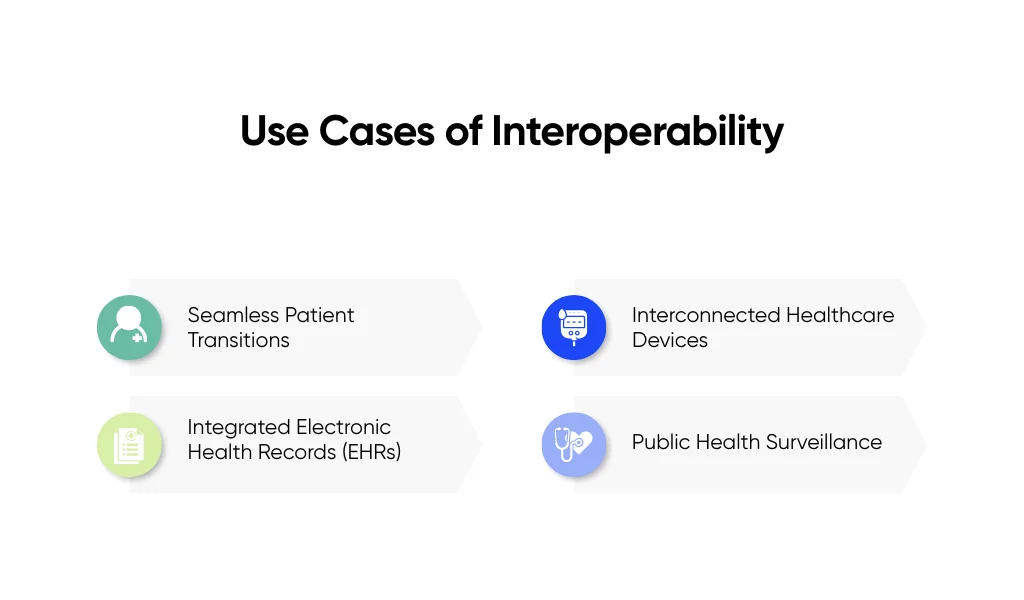
Use cases of Interoperability
- Seamless Patient Transitions: Interoperability facilitates smooth patient care transitions between healthcare providers and systems. This ensures that crucial medical information is seamlessly transferred for consistent and informed decision-making.
- Integrated Electronic Health Records (EHRs): By fostering interoperability, healthcare systems can unify EHR software, allowing authorized professionals to access comprehensive patient records regardless of the originating healthcare facility and enhancing overall patient care.
- Interconnected Healthcare Devices: Interoperability enables medical devices and monitoring tools to seamlessly communicate with electronic health records, promoting real-time data exchange and providing healthcare professionals with up-to-the-minute insights into patient health.
- Public Health Surveillance: Leveraging interoperable systems enables the timely sharing of health data with public health agencies, facilitating efficient disease monitoring, outbreak response, and formulating proactive public health strategies.
Considerations for interoperability
Considerations for interoperability trends in healthcare software systems involve adopting standardized data formats and protocols to facilitate seamless communication between healthcare applications and systems. Prioritizing the integration of interoperable solutions ensures a comprehensive and connected healthcare environment, allowing for more informed decision-making and coordinated patient care across diverse platforms.
2. Patient Engagement Solutions
Patient Engagement Solutions within a health care software system transform the patient-provider dynamic. These solutions empower individuals to actively participate in their healthcare journey by providing accessible and personalized health information. Through interactive platforms and educational resources, patients gain a deeper understanding of their medical conditions, fostering a proactive approach to managing their well-being.
Patient Engagement Solutions also streamline communication between patients and healthcare providers. By facilitating secure messaging, appointment scheduling, and remote consultations, these solutions enhance the accessibility of healthcare services, promoting a patient-centered approach.
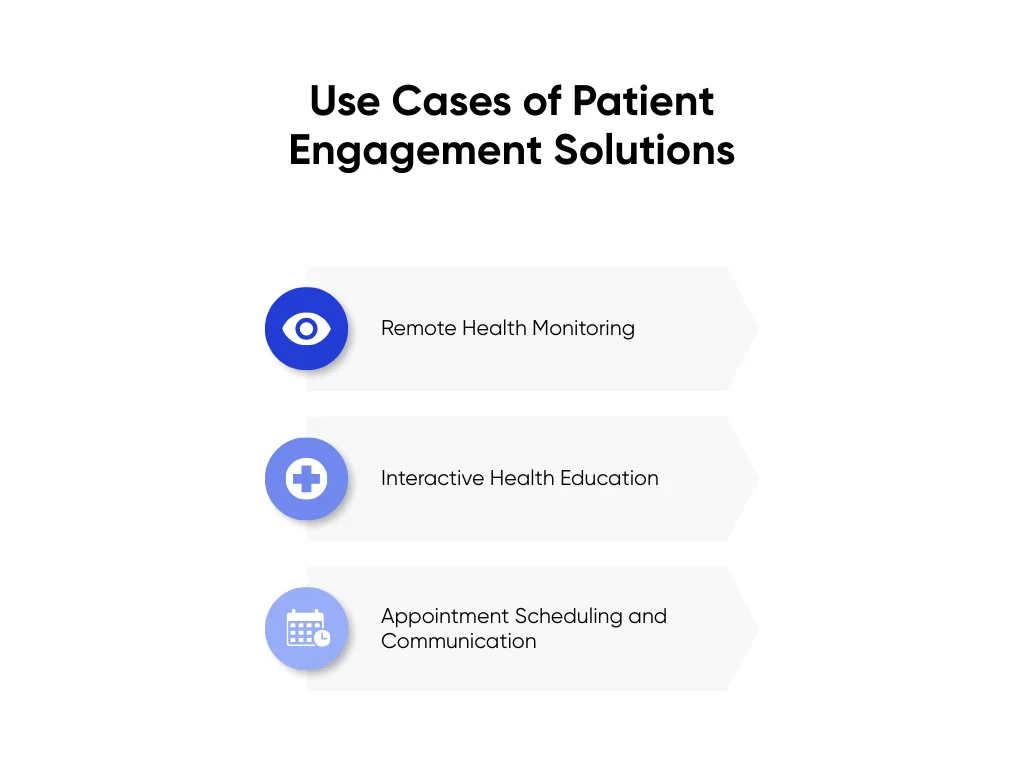
Use cases of Patient Engagement Solutions
- Remote Health Monitoring: Patient engagement solutions enable remote health monitoring, empowering individuals to track vital signs and health metrics from the comfort of their homes fostering proactive healthcare management.
- Interactive Health Education: Healthcare providers can deliver personalized health education materials through patient engagement solutions, empowering patients with relevant information to enhance their understanding of medical conditions and treatment plans.
- Appointment Scheduling and Communication: Patient engagement tools streamline appointment scheduling and facilitate direct communication between care providers and patients, promoting efficient and transparent healthcare interactions.
Considerations for Patient Engagement Solutions
In Patient Engagement solutions, consider prioritizing robust data security measures to safeguard sensitive health information, implementing user-friendly interfaces to enhance accessibility, and integrating features that facilitate seamless communication between patients and healthcare providers, such as secure messaging and appointment scheduling.
Additionally, healthcare organizations should focus on personalized health education resources to empower patients with relevant information and support medication adherence through interactive tools and reminders.
3. Telehealth Integration
Telehealth integration in healthcare software systems represents a transformative trend, enabling remote healthcare services. This integration facilitates virtual consultations and remote patient monitoring, improving accessibility and fostering a patient-centric approach to healthcare.
As the demand for telehealth rises, healthcare software systems are evolving to support secure video conferencing and real-time data exchange. Telehealth integration not only expands healthcare access but also enhances the overall efficiency of healthcare delivery, allowing providers to connect with patients beyond traditional settings.
Integrated e-prescribing lets eligible patients manage weight-management therapies online, including Victoza for weight control, within secure telehealth workflows that pair medication support with data-driven coaching.
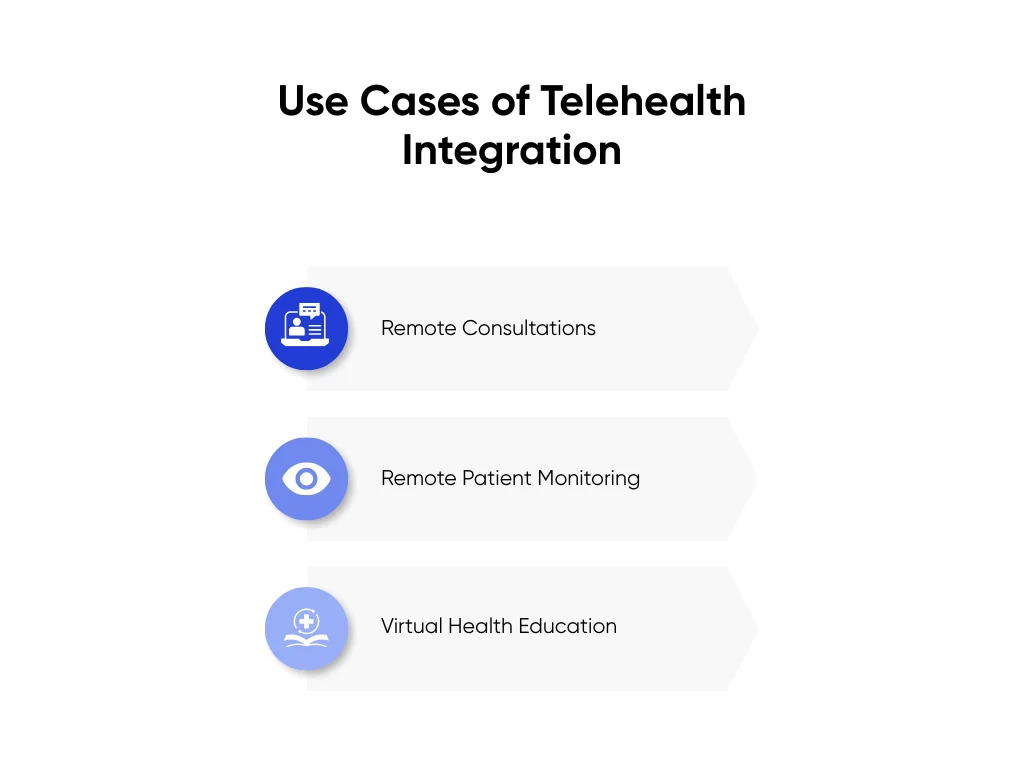
Use cases of Telehealth Integration
- Remote Consultations: Telehealth integration facilitates virtual consultations, enabling patients to connect with healthcare providers remotely for timely medical advice and follow-ups.
- Remote Patient Monitoring: By integrating telehealth solutions, including features for outpatient care, healthcare software systems support continuous remote monitoring. This allows primary care physicians to track patients' vital signs and health metrics in real time, extending the reach of care beyond traditional clinical settings.
- Virtual Health Education: Telehealth integration extends to virtual health education. It provides a platform for healthcare professionals to deliver educational content and resources to patients, enhancing their understanding of medical conditions and treatment plans.
Considerations for Telehealth Integration
Considerations for telehealth integration in healthcare software systems include:
- Prioritizing robust data security measures to protect sensitive patient information.
- Ensuring user-friendly interfaces for diverse populations to encourage widespread adoption.
- Addressing regulatory compliance to adhere to healthcare regulations and telemedicine guidelines.
These considerations collectively contribute to telehealth's successful implementation and ethical practice, fostering accessible and secure virtual healthcare services for improved patient outcomes.
4. Blockchain Technology
Blockchain technology in healthcare software systems emerges as a groundbreaking trend, introducing secure and transparent data management. By utilizing decentralized and tamper-resistant ledgers, blockchain ensures the integrity of health records, fostering trust and addressing data security and privacy concerns.
Implementing blockchain in healthcare software systems extends beyond secure record-keeping, offering intelligent contracts for automated and trustless transactions. This trend streamlines processes such as billing and insurance claims, reducing administrative burdens and promoting efficiency within the healthcare ecosystem.
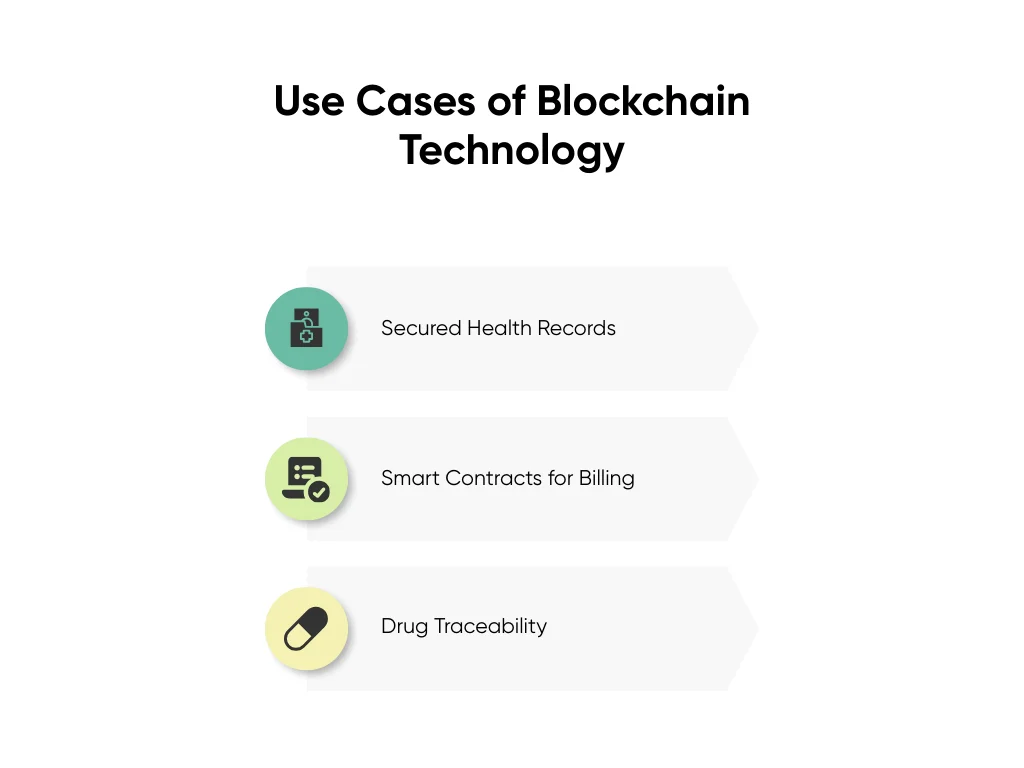
Use cases of Blockchain Technology
- Secured Health Records: Blockchain technology ensures the security and integrity of health records by creating tamper-resistant and transparent ledgers, reducing the risk of unauthorized access and preserving data accuracy.
- Smart Contracts for Billing: Leveraging intelligent contracts in healthcare software systems is pivotal in Revenue Cycle Management by automating medical billing processes and transactions. This application enhances efficiency, reduces errors, and streamlines financial interactions within the healthcare ecosystem, fostering a secure and transparent approach to managing the revenue cycle.
- Drug Traceability: Blockchain can achieve traceability of the supply chain of pharmacies, ensuring transparency and authenticity in tracking the journey of medications from production to distribution, thus combating counterfeit drugs.
Considerations for Blockchain Technology
Considerations for blockchain technology trends in healthcare software systems include prioritizing the security and integrity of health records through tamper-resistant ledgers. Emphasis should be placed on creating transparent and decentralized approaches to reduce the risk of unauthorized access, ensuring data accuracy, and fostering trust in the healthcare ecosystem.
Additionally, healthcare organizations should explore the implementation of smart contracts for automated and trustless transactions, streamlining processes such as billing and insurance claims to enhance efficiency and reduce administrative burdens.
5. Mobile Health (mHealth) App
Mobile Health (mHealth) is a pivotal trend in health care software system solutions, leveraging mobile applications to empower patients and enhance healthcare delivery. With the widespread use of smartphones, mHealth enables individuals to monitor their health, access medical information, and engage in real-time communication with healthcare providers, promoting personalized and on-the-go healthcare solutions.
The integration of mHealth in health care software systems not only improves patient engagement but also facilitates remote patient monitoring and timely interventions. These mobile applications are crucial in preventive care, chronic disease management, and overall wellness.
.webp)
Use cases of Mobile Health (mHealth)
- Remote Health Monitoring: Mobile Health app facilitates remote health monitoring, enabling individuals to track vital signs like heart rate, manage chronic conditions, and share real-time health data with healthcare providers for timely interventions.
- Medication Adherence: mHealth applications support medication adherence by sending reminders, educational content, and interactive tools, promoting patient engagement and ensuring compliance with prescribed treatment plans.
- Telemedicine Software Consultations: Integrating mHealth, including features for electronic prescriptions, allows for telemedicine consultations, providing a convenient platform for virtual appointments and remote healthcare services. This integration enhances accessibility and patient-provider communication, streamlining the process of prescribing medications and ensuring efficient coordination of care.
Considerations for Mobile Health (mHealth)
Mobile Health (mHealth) trends in healthcare software systems involve leveraging the widespread use of smartphones to enhance patient engagement and healthcare delivery. Considerations include the development of user-friendly mHealth applications that facilitate remote health monitoring, allowing individuals to track vital signs and manage chronic conditions.
Integration of mHealth should also prioritize features such as secure communication for virtual consultations, empowering patients with convenient and accessible healthcare services.
6. Artificial Intelligence (AI) and Machine Learning (ML)
Artificial Intelligence (AI) and Machine Learning (ML) are transformative trends in hospital management software and broader healthcare systems, revolutionizing the industry by elevating diagnostics, treatment plans, and operational efficiency. These advanced algorithms analyze vast datasets to discern patterns, facilitating more precise disease detection, personalized treatment recommendations, and streamlined resource allocation within hospital management software and other healthcare software.
Integrating AI and ML in health care software system solutions also streamlines administrative tasks, such as automating appointment scheduling and optimizing workflow processes. These technologies contribute to predictive analytics, enabling healthcare professionals to foresee potential health issues, intervene proactively, and deliver more precise and personalized care.
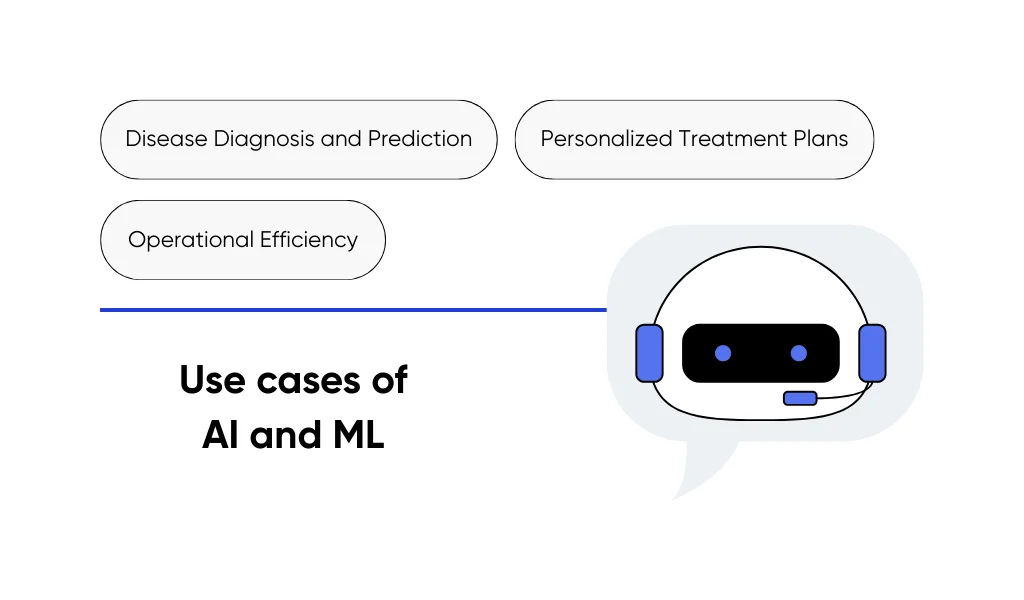
Use cases of AI and ML
- Disease Diagnosis and Prediction: AI and ML analyze medical data to enhance disease diagnosis and predict patient outcomes, providing healthcare professionals with valuable insights for more accurate and timely decision-making.
- Personalized Treatment Plans: AI and ML algorithms leverage patient data to create customized treatment plans, tailoring medical interventions to individual needs and optimizing therapeutic outcomes.
- Operational Efficiency: Implementing AI and ML in healthcare software systems streamlines administrative tasks, such as appointment scheduling and resource allocation, improving overall operational efficiency and healthcare service delivery.
Considerations for AI and ML
Ongoing education and training for healthcare professionals on using and interpreting AI and ML insights are crucial considerations to foster trust and effective collaboration between technology and healthcare teams.
Additionally, there's a need for seamless integration with existing healthcare workflows to maximize the benefits of AI and ML in diagnostics, personalized treatment plans, and operational efficiency.
7. Predictive Analytics
Predictive analytics is a burgeoning trend in healthcare software systems, leveraging advanced data analysis to forecast patient outcomes and optimize healthcare processes. By harnessing historical patient data and patterns, predictive analytics enables healthcare professionals to identify high-risk patients, intervene proactively, and allocate resources efficiently for more effective and personalized patient care.
Implementing predictive analytics in a health care software system extends beyond individual patient care, contributing to population health management. This trend allows healthcare organizations to anticipate and respond to public health challenges, optimize preventive care strategies, and improve overall health outcomes on both individual and community levels.
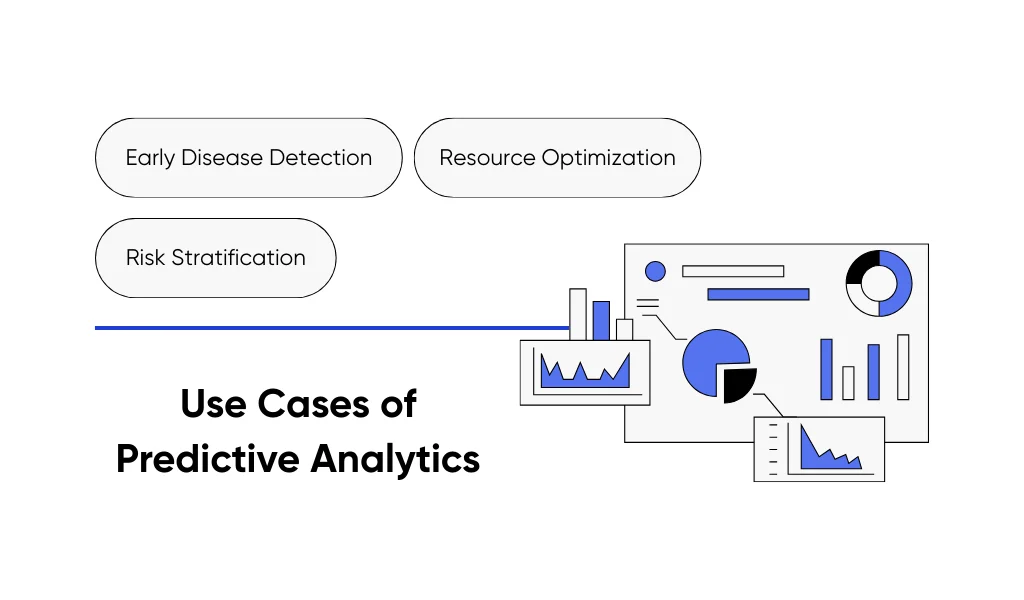
Use cases of Predictive Analytics
- Early Disease Detection: Predictive analytics in healthcare software systems analyze patient data to identify early signs of diseases, enabling healthcare professionals to intervene proactively and improve patient outcomes.
- Resource Optimization: Leveraging predictive analytics, healthcare providers can optimize resource allocation by forecasting patient admissions, enhancing operational efficiency, and ensuring adequate staffing and resource availability.
- Risk Stratification: Predictive analytics stratifies patient populations based on their health risks, allowing healthcare professionals to prioritize interventions for high-risk individuals and allocate resources effectively to manage population health.
Considerations for Predictive Analytics
Considerations for predictive analytics involve ensuring the ethical and responsible use of data to maintain patient privacy and comply with regulatory requirements. Organizations should prioritize the development of robust algorithms that are transparent and free from biases, fostering trust in the predictions generated.
Ongoing monitoring and validation of predictive models to adapt to evolving healthcare dynamics and improve accuracy over time are crucial considerations to ensure the reliability and effectiveness of predictive analytics in healthcare software systems.
8. Internet of Medical Things (IoMT)
The Internet of Medical Things (IoMT) emerged as a transformative trend in healthcare software systems, connecting medical devices and enabling data exchange for improved patient care. Integrating IoMT allows healthcare providers to remotely monitor and manage patient health, leading to timely interventions and enhanced healthcare outcomes.
IoMT in healthcare software systems facilitates real-time data collection from wearable devices and medical sensors and contributes to preventive care through continuous monitoring. This trend enhances the efficiency of healthcare delivery, enables personalized treatment plans, and marks a significant stride towards a more interconnected and responsive healthcare ecosystem.
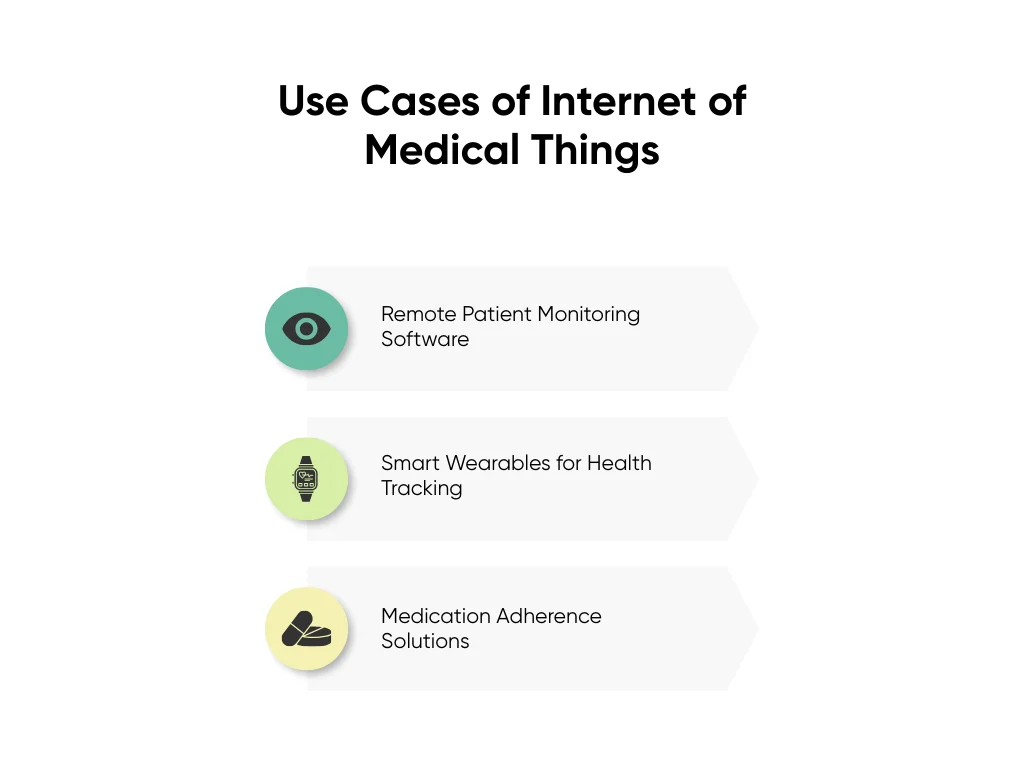
Use cases of Internet of Medical Things
- Remote Patient Monitoring Software: The Internet of Medical Things enables remote monitoring of patient's vital signs and health metrics through connected medical devices, facilitating timely interventions and personalized healthcare.
- Smart Wearables for Health Tracking: Utilizing the Internet of Medical Things, smart wearables collect real-time health data, empowering individuals to monitor and manage their well-being, promoting preventive care and healthier lifestyles.
- Medication Adherence Solutions: IoT devices in the medical field support medication adherence by providing intelligent solutions that remind patients to take their medications, enhancing compliance and improving overall treatment outcomes.
Considerations for Internet of Medical Things
Considerations for the Internet of Medical Things (IoMT) in a health care software system involve prioritizing robust cybersecurity measures to safeguard the integrity and confidentiality of patient data transmitted through connected medical devices.
Ongoing monitoring and updates to IoMT systems are essential to address evolving cybersecurity threats and ensure the continuous reliability and effectiveness of connected medical devices in the healthcare landscape.
Role of Healthcare System Trends in Software Development
In the ever-evolving healthcare landscape, the intricate dance between evolving system trends and the development of various types of healthcare software plays a pivotal role. Here, we unravel the key roles that shed light on how health care software system trends seamlessly influence and intertwine with software development.
Innovation Catalyst
Healthcare system trends serve as a catalyst for innovation in software development. They drive the creation of cutting-edge applications and solutions that address emerging challenges and enhance the overall efficiency of healthcare delivery.
User-Centric Design Focus
The evolving trends in healthcare emphasize a more patient-centric approach. This directly influences software development, encouraging the design and development of applications that prioritize user experience and engagement to meet the growing expectations of patients and healthcare professionals.
With the focus on user-centric design and enhancing accessibility, it's vital to not overlook the importance of a nutritionally balanced diet in patient care. Tools that help people eat healthy and save time and money are integral in promoting wellbeing. Integrating easy access to healthful meal planning can significantly contribute to patient-centered healthcare solutions.
Interoperability Advocate
Interoperability is a critical focus in modern healthcare trends, and software development plays a crucial role in achieving seamless integration between various healthcare systems and applications. Healthtech developers work to ensure that software adheres to interoperability standards, allowing different systems to communicate effectively.
Data Security and Privacy Champion
With the increasing digitization of healthcare data, trends in the industry emphasize the importance of robust data security and privacy. Software development teams take on the role of champions by implementing encryption, access controls, and compliance measures to safeguard sensitive patient information.
Agility Enabler
Healthcare system trends often evolve rapidly, requiring software development processes to be agile and adaptive. Developers embrace agile methodologies to respond quickly to changing requirements, ensuring that healthcare software systems can promptly accommodate new features, technologies, and regulatory updates.
Key Takeaway
Today’s healthcare software trends all revolve around AI making everything more interconnected. ERPs and healthcare software systems are letting staff and even medical equipment communicate and log data instantly. Analytics engines powered by the latest machine learning tech processes that data in real-time, giving care providers critical insights in a fraction of the time it takes to analyze everything manually.
While these new trends are promising, successfully adopting them depends on your overall system being ready for that level of interconnection and scalability. Otherwise, they might hurt more than help, breaking up your workflows and slowing you down as you struggle to accommodate them.
Aloa can help you avoid that entirely. Aside from designing and building solutions that align the latest trends to your exact use cases, we can also modernize your healthcare software systems to bring those trends together into a unified and future-ready platform. Whether you’re looking for AI-driven decision support and predictive analytics or a patient-facing LLM assistant, Aloa can tailor everything to your workflows.
Ready to start working with us? Submit your info on our client form, and we’ll get back to you in less than 24 hours. In the meantime, you can join our AI Builder Community to connect with tech leaders like you looking to elevate their processes with AI. We also have a newsletter where you can stay updated on the latest insights, trends, and real-world lessons from the world of healthtech and beyond.
FAQs
How does the consumerization of healthcare influence healthcare software systems?
Rising consumer expectations are pushing healthcare software systems to become more intuitive, mobile-friendly, and personalized. They’re doing this by pursuing design principles such as:
- Better patient engagement
- Easier navigation through modern UX
- Faster access to care through web and mobile applications
At Aloa, we implement all of these design principles in everything we develop. We’re deeply in touch with what makes applications more valuable and appealing to the consumer market. Talk to us today and let us get to know you and your audience. A better outreach strategy might just be what your organization is missing.
What are virtual hospitals, and how do they reflect modern healthcare software trends?
Virtual hospitals combine telemedicine, remote monitoring, and AI-assisted diagnostics to deliver quality care. This removes geographic barriers and expands access to care. Cutting out travel time also enables continuous patient care from home. On the operational side of things, it also improves coordination among providers and reduces hospital workloads by letting digital systems handle routine consultations, follow-ups, and monitoring.
How is AI transforming healthcare software systems in drug discovery?
AI enables heathcare platforms to analyze vast molecular datasets. This lets them identify therapeutic compounds for their target diseases and conditions faster and more accurately. With more viable drug candidates available earlier on in the pipeline, research requires less trial-and-error, which enhances precision, shortens timelines, and cuts costs.
How are robotics shaping the latest healthcare software trends?
Robotics integration is growing in healthcare software because of its potential to automated things such as:
- Surgical assistance
- Pharmacy and supply chain logistics
- Routine clinical and administrative operations
This further improves precision and relieves staff workloads on top of technologies such as ERP, remote monitoring, and advanced data analytics.
How do digital health solutions improve access through healthcare software systems?
Digital health solutions connect with remote care tools like telehealth platforms and mobile apps to form a complete remote care ecosystem. This allows for things such as virtual hospitals and personalized health monitoring. These integrations expand access to quality care for rural and underserved populations.
What role does big data play in advancing healthcare software trends?
Big data is what enables advanced features like AI-powered predictive analytics and real-time insights. These features help clinicians and healthcare administrators make faster and more informed decisions.
What are the key healthcare software trends shaping the future of the industry?
All of the trends mentioned in this article are shaping the current and future landscape of the healthcare industry. However, some emerging technologies are poised to revolutionize how healthcare is conducted in the very near future:
- Blockchain tech: This can enable secure, decentralized health records, smart contracts for billing, and advanced drug traceability.
- Internet of Medical Things (IoMT): Experts envision wearables moving from simple metric tracking to full connectivity with care systems and instruments, enabling more proactive intervention.
Robotics integration: AI becoming more and more ingrained in healthcare operations lays the groundwork for deeper robotics integration, enabling functionalities such as robot-assisted surgeries, autonomous logistics, and other automated support tasks in clinical and operational settings.